


-
 David & Nadia Skaliekop Chenin Blanc 2025
1 × R1,260.00
David & Nadia Skaliekop Chenin Blanc 2025
1 × R1,260.00 -
 Beaumont Hope Marguerite 2024
1 × R498.00
Beaumont Hope Marguerite 2024
1 × R498.00
Shop
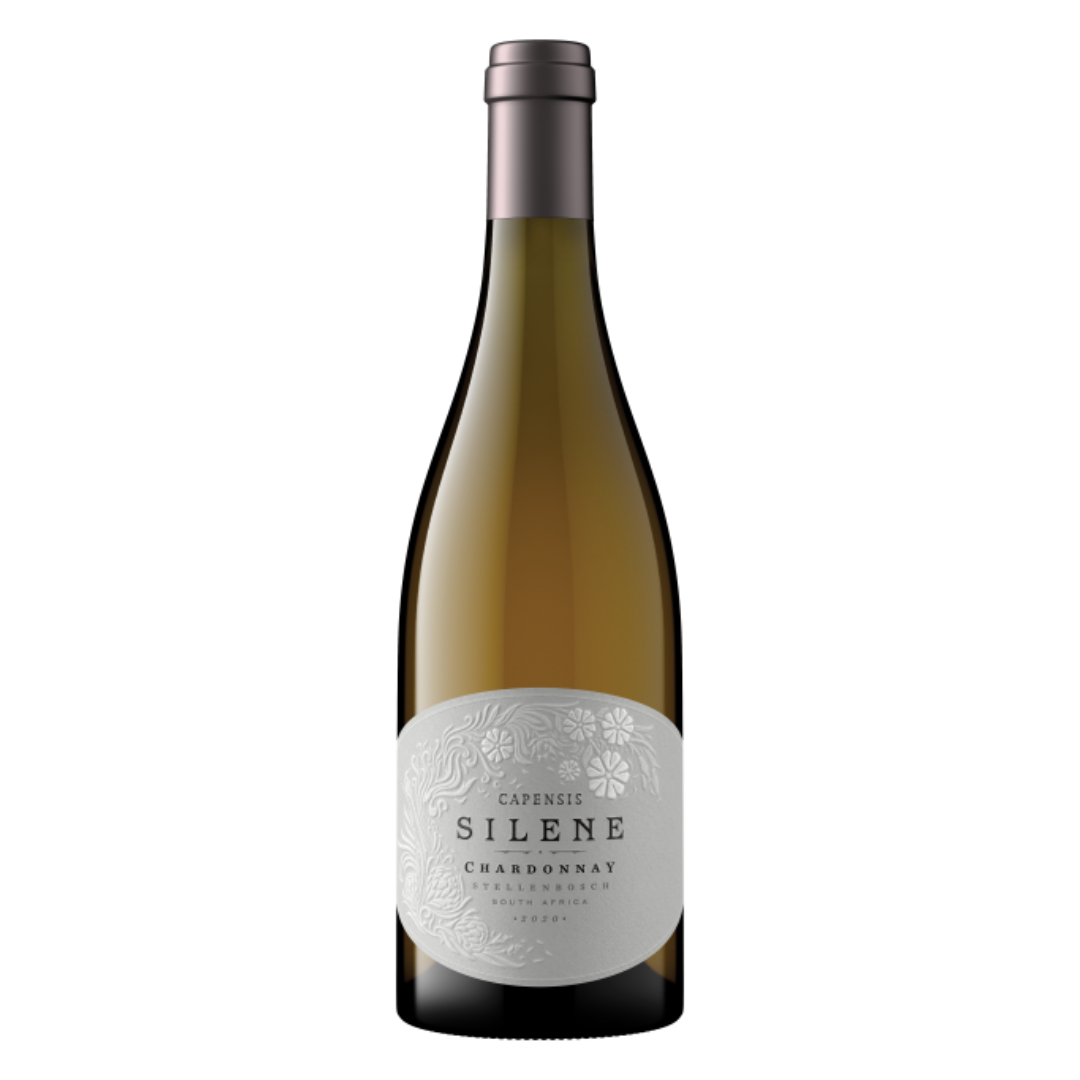
Capensis Silene Chardonnay 2025
R434.00
The wine opens with lifted aromas of lemon zest, white peach, grapefruit, and citrus blossom, followed by delicate hints of crushed oyster shell, toasted almond, and subtle brioche.
The palate is energetic and refined, revealing bright citrus, ripe nectarine, and green apple layered over a sleek mineral core. A lively natural acidity brings freshness and drive, while restrained oak integration adds texture without overshadowing the purity of fruit. The finish is long, saline, and refreshing. Elegant yet approachable in its youth, the 2025 vintage leans into freshness, finesse, and balance.
ANALYSIS: Alc: 13.5% | T.A : 6.70 g/l | RS : 2.60 g/l | pH: 3.32
4 in stock
Description
South Africa’s Cape of Good Hope has long been known as ideal for grape growing. This winemaking history dates back more than three centuries, to the 1600s, when the vineyards supplied wine to Dutch East India Company ships en route to India. In the 1700s and early 1800s, South Africa was known for its Muscat-based Constantia dessert wines, which were coveted throughout Europe. Then came the late 1800s, when the root louse phylloxera obliterated South Africa’s vineyards, as it did vineyards elsewhere in the world. Unfortunately, the sites often were replanted with high-production, low-quality grape varieties.
With the end of apartheid in 1994 and the opening of the world export market, South Africa’s remarkable wine-growing potential slowly became better known outside the country. To realise this potential, viticulturists began researching and selecting the best grape varieties for each site’s soils and mesoclimate. In the search for the best Chardonnay sites, the focus of Capensis has been on the Stellenbosch, Overberg, and Robertson regions in the Western Cape. Philosophically, Capensis is not limited to these regions — the only limitation is the quality of the individual vineyard site.
Additional Information
| Producer | Capensis |
|---|


