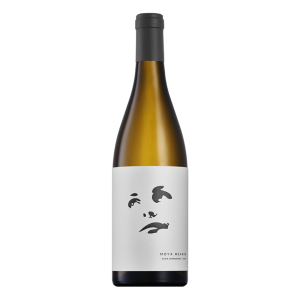
Storm Ridge Chardonnay 2025
Shop
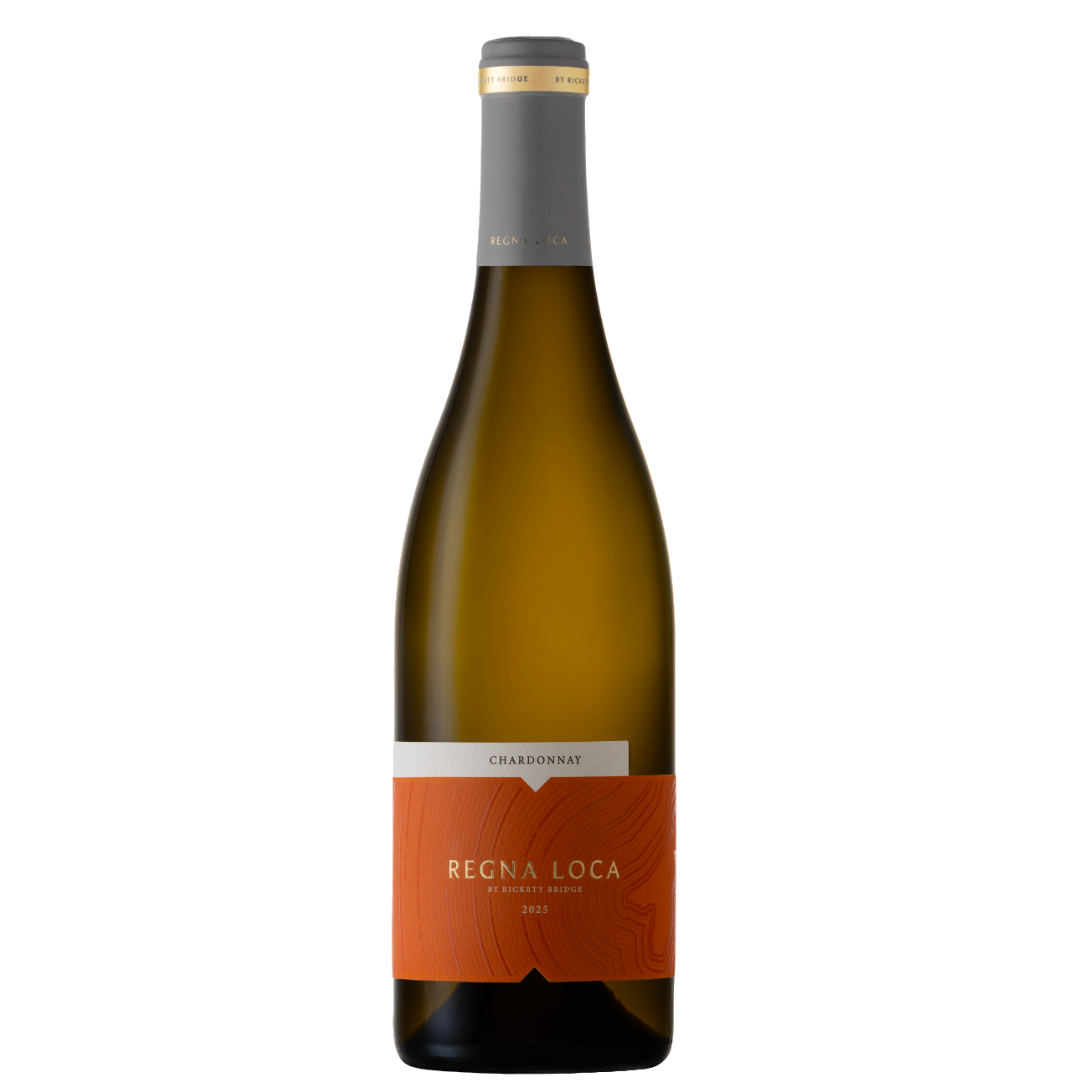
Rickety Bridge Regna Loca Chardonnay 2025
R315.00
The Regna Loca range celebrates the relationship between South Africa’s finest wine regions and the cultivars best suited to their unique climates. The Hemel-en-Aarde Chardonnay captures this beautifully, shaped by cool ocean air and ancient clay soils, with elegant citrus, mineral notes and a delicate touch of oak.
A complex and expressive Chardonnay with aromas of lemon curd and ripe stone fruit. The palate is creamy yet vibrant, lifted by a crisp acidity that carries through to a long, elegant finish. The integration of fruit, oak and freshness delivers both depth and finesse.
The grapes were 100% whole-bunch pressed, followed by a brief settling period in tank. The juice was then transferred to a combination of Austrian and French oak barrels and aged for 10 months
ANALYSIS: Alc 12.94% | RS 1.95 g/l | TA 7.43 g/l | pH 3.23
Description
Regna Loca story
The name “Regna Loca” means “local kingdoms”. The Regna Loca stable of wines form a series of premium expressions that match a particular region to its most celebrated cultivar. As an ensemble, the range showcases the incredible climatic variation to be found within South Africa’s myriad wine-growing regions. Regna Loca is the culmination of the work of generations of dedicated vignerons observing, curating, consulting, and crafting their wines to better embody the joy that arises when a particular cultivar proves potent in unlocking the majesty of regional microclimate.
Chardonnay story
Every kingdom has a throne. In South Africa’s wildly varied wine climates, each region is ruled by a different cultivar. Regna Loca celebrates this regional sovereignty – borne out of the elemental kinship between grape and ground. When a variety finds its sovereign soil, the result is nothing short of regal. In Hemel-en-Aarde, Chardonnay wears the crown. Shaped by ocean air and ancient clay, it yields a wine of luminous tension – citrus blossom, wet stone, and a
shimmer of oak. A sovereign raised amidst sea spray and mountain mists.
Vintage notes
The build up to harvest saw record-breaking winter rainfall, replenishing water reserves ahead of the season. A dry spring and summer kept disease pressure low, while cooler ripening conditions throughout harvest allowed for slow, even maturation. This produced fruit with excellent natural acidity, purity and concentration.