Shop

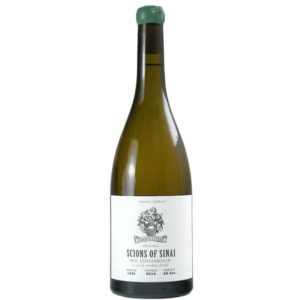
Damascene W.O. Stellenbosch Chenin Blanc 2025
R595.00
The more giving of the Damascene Chenin Blancs, the 2025 Stellenbosch bottling is an intricate melding of florals, stone fruit, and citrus.
The nose is driven by layers of nectarine, white peach and fresh citrus over frangipani blossom, and a savoury hint of lees. The palate reaches you in waves: fresh nectarine slices and orange barley candy adorn a piercing citric core, while slightly unripe peach lends the wine a stunningly fresh crispness. The finish is long and juicy, closing with Seville orange and a puff of citrus spice, not unlike the oil from a twist of zest.
More about the vineyard:
Damascene Stellenbosch Old Bush Vines Chenin Blanc is a blend of fruit from three sites in the Bottelary ward: Sonop, Houmoed, and Mooiplaas. All three sites are situated on hilltops at 325–340 m ASL. On the southern end, the Mooiplaas vineyard was planted into granitic soils in 1981, making it 44 years old at the time of the 2025 harvest. The Houmoed vineyard was planted into greywacke soils in 1972, making it 53 years old, and the Sonop vineyard to the north was planted into shale soils in 1982, making it 43 years
old at the time of the 2025 harvest.
ANALYSIS: Alc 12.36% | pH 3.21 | TA 6.1 g/l | RS 1.6 g/l
5 in stock
Description
“DAMASCENE is about seeking out memorable vineyards and sites that truly showcase the incredible diversity of terroir we have here in the Western Cape,” says Smit. “I spend countless days on the road, covering thousands of kilometres, visiting vineyards and farmers in search of special parcels of land.”
The 2025 season arrived late and left slowly. Record July rainfall was followed by a delayed onset of winter, with cold-unit accumulation running some three weeks behind the previous season, resulting in a late budburst. Heavy October rain drove vigorous growth, and flowering passed in unusually settled conditions, with less of the wind that reduced the 2024 crop Summer brought one sharp heat spike over Christmas and then relented. January maximums ran up to 3 °C cooler than the previous year, with cooler nights and no sustained heat, so sugar accumulated slowly while flavour caught up. The harvest itself was dry, with no meaningful rainfall and no disease pressure of consequence. Fruit was hand harvested between 18 and 27 February – three weeks later than in 2024.
Additional Information
| Producer | Damascene |
|---|